Back to Blog
Uncategorized
How the Iran Conflict Is Affecting Gas Prices and What It Means for U.S. Supply Chains
Rising tensions involving Iran are putting pressure on global oil markets, raising gas prices, and increasing freight costs across U.S. supply chains.
5 min read
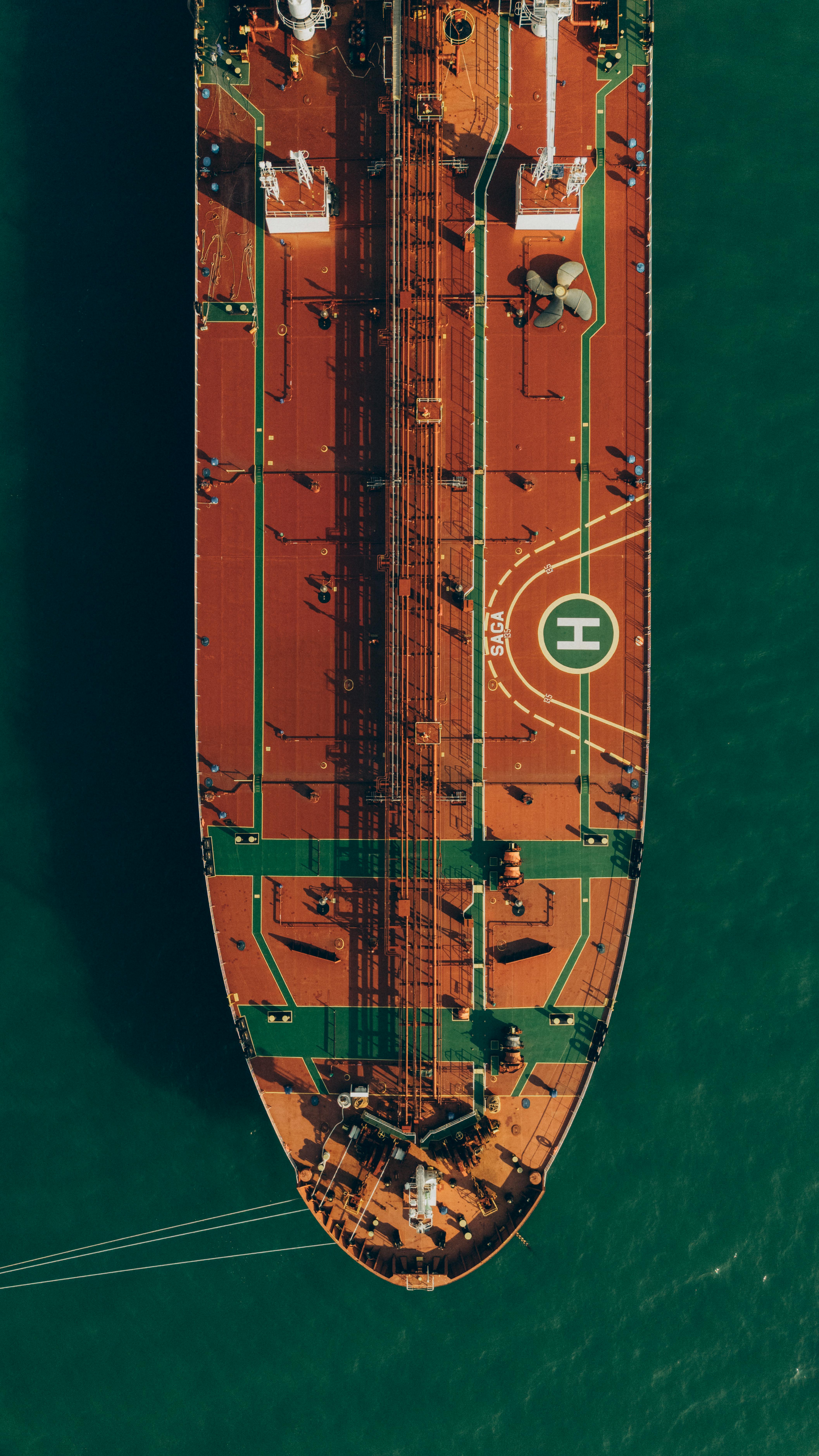
How the Iran Conflict Is Affecting Gas Prices and What It Means for U.S. Supply Chains
Gas prices are rising again, and one of the biggest reasons is the ongoing conflict involving Iran and the Strait of Hormuz.
For U.S. consumers, the impact shows up at the pump. For businesses, especially manufacturers, distributors, recyclers, and material suppliers, the impact goes much deeper. Higher fuel prices can increase freight costs, raise operating expenses, and put pressure on the entire plastics supply chain.
According to Reuters, U.S. gasoline prices have moved above $4.50 per gallon as conflict in the Middle East disrupts oil shipments through the Strait of Hormuz, one of the most important energy routes in the world. Reuters also reported that Brent crude has risen sharply since the conflict began, with analysts warning that prices could remain elevated without de-escalation.
Why Iran Matters to Gas Prices
Iran sits near the Strait of Hormuz, a narrow waterway that connects the Persian Gulf to global energy markets. The Strait is not just another shipping lane. It is one of the most important oil transit chokepoints in the world.
The U.S. Energy Information Administration reported that oil flows through the Strait of Hormuz averaged about 20 million barrels per day in 2024, equal to roughly 20% of global petroleum liquids consumption.
That means when conflict threatens shipping, insurance, tanker movement, or access through the Strait, global oil markets react quickly. Even if physical supply is not completely cut off, traders price in risk. That risk premium can push crude oil prices higher, and crude oil is one of the biggest drivers of gasoline prices.
How Oil Prices Become Gas Prices
Gas prices do not rise only because of one factor. The price at the pump usually reflects a mix of:
- crude oil costs
- refining costs
- transportation and distribution
- taxes
- local supply and demand
- seasonal driving patterns
But crude oil is the foundation. When crude prices rise, refiners pay more for feedstock. That cost eventually moves through the system and reaches consumers, trucking companies, manufacturers, and distributors.
That is why geopolitical conflict can affect prices even thousands of miles away. A disruption in the Middle East can raise energy costs for a delivery route in New Jersey, a warehouse in Ohio, or a manufacturing plant in Texas.
Why This Matters for the Plastics Industry
The plastics industry is deeply connected to energy markets.
Many plastic resins are tied to petrochemical feedstocks derived from oil and natural gas. Even when a specific resin is not directly tied to crude oil, the broader supply chain still depends on fuel, freight, warehousing, and production energy.
When gas and diesel prices rise, plastics businesses may face higher costs in several areas:
1. Freight and trucking become more expensive
Plastic resin, machinery, scrap, finished goods, and packaging materials often move by truck, rail, or ship. Higher fuel costs can lead to higher freight rates or fuel surcharges.
For buyers, that can increase landed cost. For sellers, it can make distant buyers less attractive unless pricing adjusts.
2. Resin pricing can become more volatile
Oil market uncertainty can create price pressure across petrochemical markets. Some materials may be affected more directly than others, but uncertainty alone can cause buyers and sellers to pause, renegotiate, or look for alternative supply.
3. Recycled materials may become more competitive
When virgin resin prices rise, recycled resin can become more attractive, especially for buyers focused on cost control and sustainability. However, recycling operations also face energy and transportation costs, so the benefit depends on local supply, processing costs, and material quality.
4. Inventory decisions become more important
In unstable markets, companies may rethink how much material they keep on hand. Some buyers may stock up to avoid future price increases, while others may delay purchasing because of uncertainty.
That creates a market where visibility matters. Buyers need to know what is available, and sellers need faster ways to move material when market conditions shift.
The Bigger Supply Chain Lesson
The Iran conflict is a reminder that energy risk does not stay isolated in the oil market. It spreads into transportation, manufacturing, materials, and pricing decisions.
For plastics companies, the question is not just, “What is the price of gas today?”
The bigger questions are:
- How will fuel costs affect freight quotes?
- Will resin suppliers adjust pricing?
- Are buyers changing purchase timing?
- Can sellers move excess inventory before costs rise further?
- Are local or regional suppliers becoming more attractive?
- Will recycled materials gain demand as virgin resin costs increase?
In a volatile market, speed and visibility become competitive advantages.
How PlasticsNxt Helps During Market Volatility
When markets are stable, traditional sourcing methods may feel good enough. But when prices move quickly, relying on scattered emails, phone calls, spreadsheets, and middlemen can slow businesses down.
PlasticsNxt gives buyers and sellers a more direct way to connect across materials, machinery, recycling, tooling, jobs, and services.
For buyers, that means more visibility into available supply.
For sellers, it means a faster way to reach the right audience.
For the plastics industry as a whole, it means reducing friction at a time when supply chain decisions need to happen faster.
Final Thoughts
The conflict involving Iran is putting pressure on global oil markets, and U.S. gas prices are feeling the impact. Because the Strait of Hormuz remains a critical route for global energy flows, any disruption or threat in the region can create ripple effects across fuel, freight, resin pricing, and supply chains.
For plastics businesses, the best response is not panic. It is preparation.
Companies that monitor market conditions, diversify sourcing options, and use better digital tools will be in a stronger position to manage volatility.
As fuel prices rise and supply chains adjust, platforms like PlasticsNxt can help the industry move faster, source smarter, and stay connected when market conditions change.
Gas prices are rising again, and one of the biggest reasons is the ongoing conflict involving Iran and the Strait of Hormuz.
For U.S. consumers, the impact shows up at the pump. For businesses, especially manufacturers, distributors, recyclers, and material suppliers, the impact goes much deeper. Higher fuel prices can increase freight costs, raise operating expenses, and put pressure on the entire plastics supply chain.
According to Reuters, U.S. gasoline prices have moved above $4.50 per gallon as conflict in the Middle East disrupts oil shipments through the Strait of Hormuz, one of the most important energy routes in the world. Reuters also reported that Brent crude has risen sharply since the conflict began, with analysts warning that prices could remain elevated without de-escalation.
Why Iran Matters to Gas Prices
Iran sits near the Strait of Hormuz, a narrow waterway that connects the Persian Gulf to global energy markets. The Strait is not just another shipping lane. It is one of the most important oil transit chokepoints in the world.
The U.S. Energy Information Administration reported that oil flows through the Strait of Hormuz averaged about 20 million barrels per day in 2024, equal to roughly 20% of global petroleum liquids consumption.
That means when conflict threatens shipping, insurance, tanker movement, or access through the Strait, global oil markets react quickly. Even if physical supply is not completely cut off, traders price in risk. That risk premium can push crude oil prices higher, and crude oil is one of the biggest drivers of gasoline prices.
How Oil Prices Become Gas Prices
Gas prices do not rise only because of one factor. The price at the pump usually reflects a mix of:
- crude oil costs
- refining costs
- transportation and distribution
- taxes
- local supply and demand
- seasonal driving patterns
But crude oil is the foundation. When crude prices rise, refiners pay more for feedstock. That cost eventually moves through the system and reaches consumers, trucking companies, manufacturers, and distributors.
That is why geopolitical conflict can affect prices even thousands of miles away. A disruption in the Middle East can raise energy costs for a delivery route in New Jersey, a warehouse in Ohio, or a manufacturing plant in Texas.
Why This Matters for the Plastics Industry
The plastics industry is deeply connected to energy markets.
Many plastic resins are tied to petrochemical feedstocks derived from oil and natural gas. Even when a specific resin is not directly tied to crude oil, the broader supply chain still depends on fuel, freight, warehousing, and production energy.
When gas and diesel prices rise, plastics businesses may face higher costs in several areas:
1. Freight and trucking become more expensive
Plastic resin, machinery, scrap, finished goods, and packaging materials often move by truck, rail, or ship. Higher fuel costs can lead to higher freight rates or fuel surcharges.
For buyers, that can increase landed cost. For sellers, it can make distant buyers less attractive unless pricing adjusts.
2. Resin pricing can become more volatile
Oil market uncertainty can create price pressure across petrochemical markets. Some materials may be affected more directly than others, but uncertainty alone can cause buyers and sellers to pause, renegotiate, or look for alternative supply.
3. Recycled materials may become more competitive
When virgin resin prices rise, recycled resin can become more attractive, especially for buyers focused on cost control and sustainability. However, recycling operations also face energy and transportation costs, so the benefit depends on local supply, processing costs, and material quality.
4. Inventory decisions become more important
In unstable markets, companies may rethink how much material they keep on hand. Some buyers may stock up to avoid future price increases, while others may delay purchasing because of uncertainty.
That creates a market where visibility matters. Buyers need to know what is available, and sellers need faster ways to move material when market conditions shift.
The Bigger Supply Chain Lesson
The Iran conflict is a reminder that energy risk does not stay isolated in the oil market. It spreads into transportation, manufacturing, materials, and pricing decisions.
For plastics companies, the question is not just, “What is the price of gas today?”
The bigger questions are:
- How will fuel costs affect freight quotes?
- Will resin suppliers adjust pricing?
- Are buyers changing purchase timing?
- Can sellers move excess inventory before costs rise further?
- Are local or regional suppliers becoming more attractive?
- Will recycled materials gain demand as virgin resin costs increase?
In a volatile market, speed and visibility become competitive advantages.
How PlasticsNxt Helps During Market Volatility
When markets are stable, traditional sourcing methods may feel good enough. But when prices move quickly, relying on scattered emails, phone calls, spreadsheets, and middlemen can slow businesses down.
PlasticsNxt gives buyers and sellers a more direct way to connect across materials, machinery, recycling, tooling, jobs, and services.
For buyers, that means more visibility into available supply.
For sellers, it means a faster way to reach the right audience.
For the plastics industry as a whole, it means reducing friction at a time when supply chain decisions need to happen faster.
Final Thoughts
The conflict involving Iran is putting pressure on global oil markets, and U.S. gas prices are feeling the impact. Because the Strait of Hormuz remains a critical route for global energy flows, any disruption or threat in the region can create ripple effects across fuel, freight, resin pricing, and supply chains.
For plastics businesses, the best response is not panic. It is preparation.
Companies that monitor market conditions, diversify sourcing options, and use better digital tools will be in a stronger position to manage volatility.
As fuel prices rise and supply chains adjust, platforms like PlasticsNxt can help the industry move faster, source smarter, and stay connected when market conditions change.
Ready to move from insight to action?
Find materials, machinery, tooling, recycling partners, and service providers across the plastics supply chain.